MIRARI® Cold Plasma System

The world's first handheld MIRARI® Cold Plasma System

An FDA 510(k)-cleared, dual-modality therapeutic platform — designed for clinical professionals.

Become our partner now
USA Flag
FDA 510(k) ClearedUnited States
Thailand Flag
Thai FDA ApprovedThailand
Vietnam Flag
MOH RegisteredVietnam
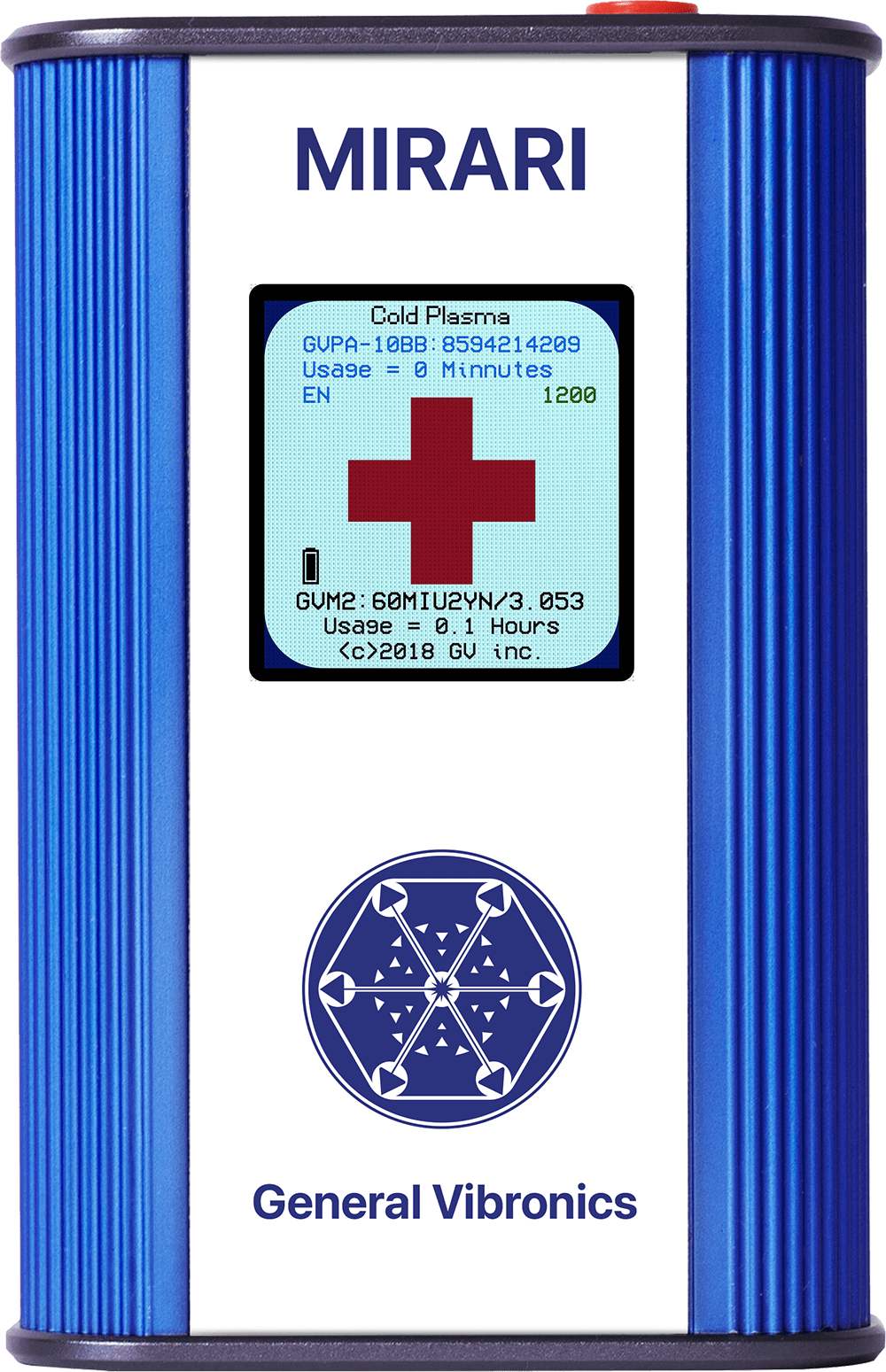
MIRARI Cold Plasma Device

Built for the Clinical Environment

Portable handheld design
IEC 60601-1 & IEC 60601-1-2 Compliant
USB-C fast charging
Non-invasive therapy
DBD plasma technology
Thermal regulation technology

Discover the MIRARI® Difference

Watch how the world's first handheld MIRARI® Cold Plasma System is transforming clinical practices.

Discover the MIRARI® Difference

Two Modes. One Platform.

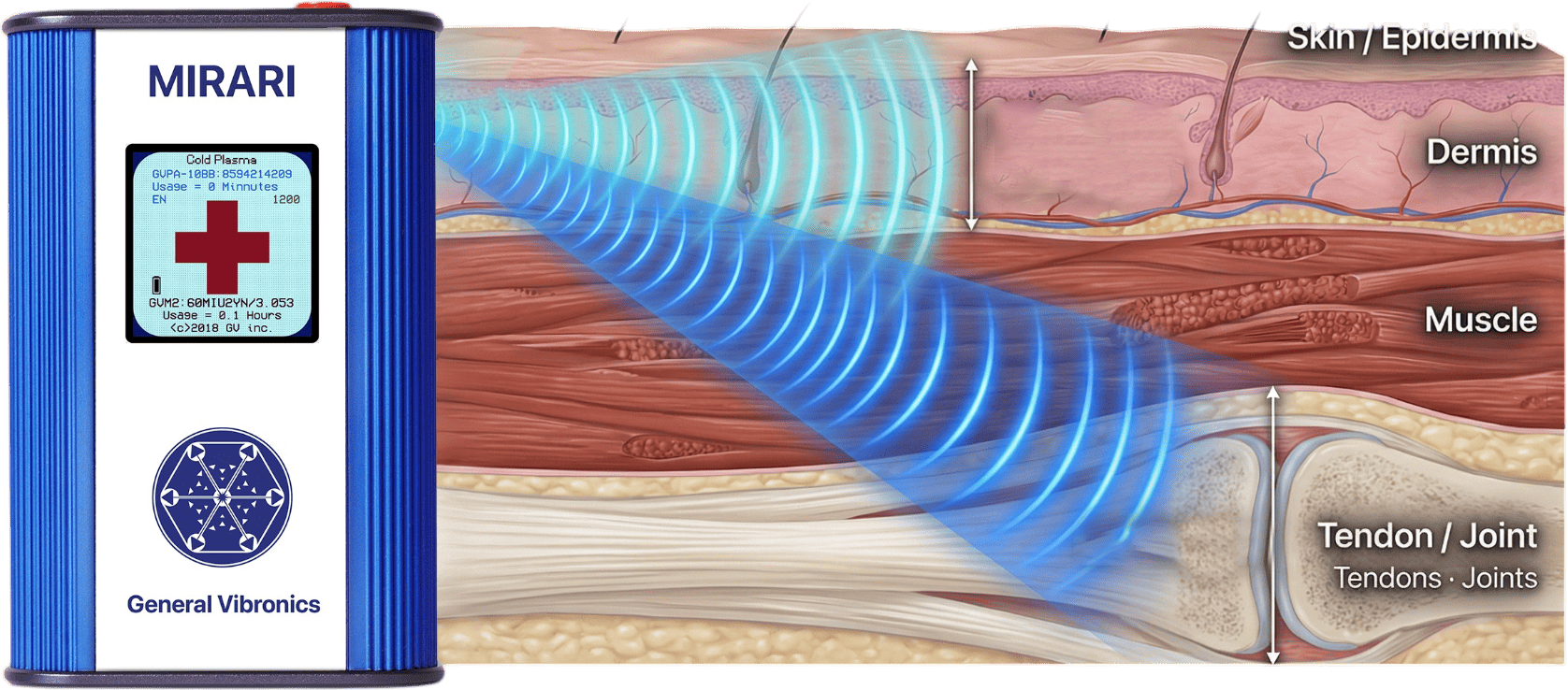
The MIRARI® Cold Plasma System operates on a dual-modality architecture, combining Radio frequency energy generator delivery in a single handheld device.

CAP and RES Modes Diagram
Capacitive (CAP)
Capacitive (CAP) Modality

Surface Tissue Therapy

  • One of the key factors that make the CAP modality so effective for treating superficial tissues is its ability to interact with areas that have a high-water content. Tissues such as muscles, skin, and blood vessels are composed of cells with a significant amount of water and electrolytes, making them particularly responsive to the electric field generated by the RF energy.
  • When the CAP plasma array is applied to the skin, it creates an alternating electric field that penetrates the superficial layers of the body. This field causes the ions within the cells to oscillate back and forth, following the rapidly changing polarity of the field. The movement of these charged particles is what ultimately leads to the therapeutic effects of the CAP modality.
Resistive (RES)
Resistive (RES) Modality

Deep Tissue Therapy

  • One of the key advantages of the RES modality is its ability to deliver energy to deeper, less hydrated structures in the body. This is made possible by the unique properties of resistive heating and the modified waveform used in this modality.
  • When the RES plasma array comes into contact with the skin, the RF energy is conducted through the superficial layers and into the deeper, denser tissues beneath. As the energy encounters the resistance of these tissues, it is converted into heat through a process called Joule heating or resistive heating.
Capacitive (CAP) Modality

Surface Tissue Therapy

  • One of the key factors that make the CAP modality so effective for treating superficial tissues is its ability to interact with areas that have a high-water content. Tissues such as muscles, skin, and blood vessels are composed of cells with a significant amount of water and electrolytes, making them particularly responsive to the electric field generated by the RF energy.
  • When the CAP plasma array is applied to the skin, it creates an alternating electric field that penetrates the superficial layers of the body. This field causes the ions within the cells to oscillate back and forth, following the rapidly changing polarity of the field. The movement of these charged particles is what ultimately leads to the therapeutic effects of the CAP modality.
Resistive (RES) Modality

Deep Tissue Therapy

  • One of the key advantages of the RES modality is its ability to deliver energy to deeper, less hydrated structures in the body. This is made possible by the unique properties of resistive heating and the modified waveform used in this modality.
  • When the RES plasma array comes into contact with the skin, the RF energy is conducted through the superficial layers and into the deeper, denser tissues beneath. As the energy encounters the resistance of these tissues, it is converted into heat through a process called Joule heating or resistive heating.
Both CAP and RES modes operate simultaneously in every treatment session
delivering controlled RF energy heating across the treatment area in a single application.

What's Inside the MIRARI® Cold Plasma System

Plasma Driver

Plasma Driver

  • Rechargeable handheld unit — two 18650 LiFePO4 battery cells
  • Immune to thermal runaway — inherent fire safety
  • Fast-acting fuse protection
  • USB-C charging (5V, 2.4A recommended)
  • LED indicator: Red (charging) / Green (charged)
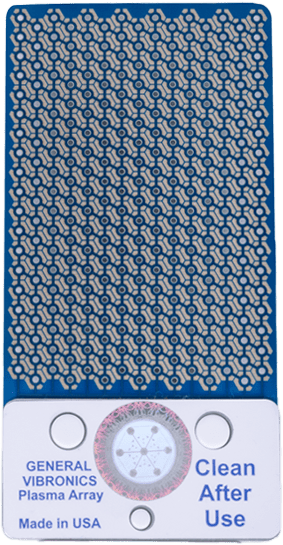
Plasma Array (Consumable)

Plasma Array (Consumable)

  • High-voltage, low-current Dielectric Barrier Discharge
  • Interconnected tip pattern concentrates electric field
  • IEC 60601-1 Type B classification — no current passes through patient
  • ~80 treatment sessions per array (15 mins/session)
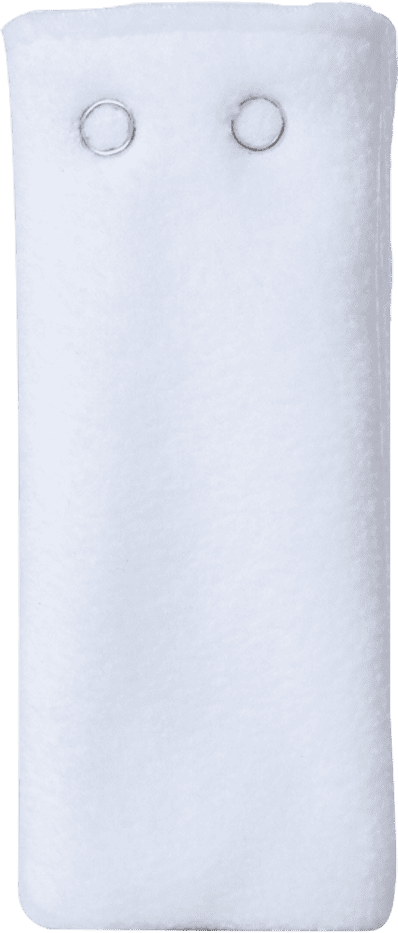
Insulating Fleece Pouch

Insulating Fleece Pouch

  • Only component in direct contact with patient skin
  • Distributes heat uniformly — surface temp ≤ 45°C
  • Waterproof ePTFE membrane — allows airflow, blocks liquid
  • Absorbs residual ozone for patient safety
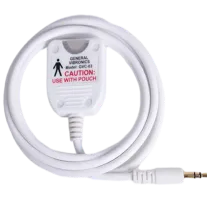
Magnetic Connector Cable

Magnetic Connector Cable

  • 3.5 mm audio jack with custom-molded cable
  • Magnetic locking mechanism for secure array connection
  • Supports authentication between Array and Driver
15 mins
Treatment Time
2 hours
Continuous Battery Life
~80
Sessions per Array
3 years
Device Lifespan (2400 sessions)

Clinical Specialties

Pain Management
Pain Management
Temporary relief of pain for selected medical conditions
Muscle & Rehabilitation
Temporary relief of muscle spasms
Circulatory Therapy
Circulatory Therapy
Increase in local circulation through tissue temperature elevation

Approved Certifications

Rigorous compliance across biological safety, risk management, and device performance.

ISO 10993-1
ISO 10993-1
ISO 10993-2
ISO 10993-2
ISO 10993-5
ISO 10993-5
ISO 10993-10
ISO 10993-10
ISO 10993-12
ISO 10993-12
ISO 60601-1
ISO 60601-1
ISO 60601-2-2
ISO 60601-2-2
ISO 17050-1
ISO 17050-1
ISO 14971
ISO 14971
ASTM D4169
ASTM D4169
IEC 62133
IEC 62133
UN 38.3
UN 38.3
UL 867
UL 867
FDA GLP
FDA GLP
ISTA 2A
ISTA 2A

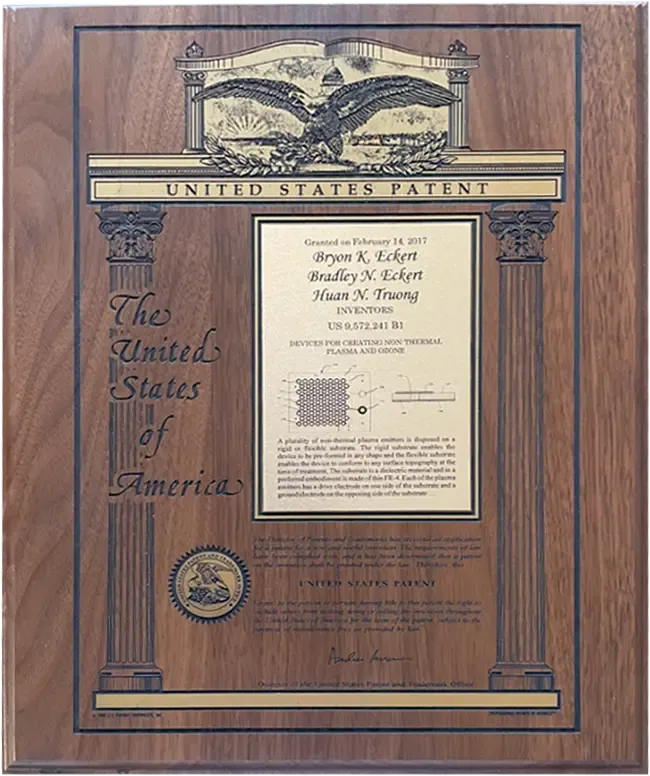
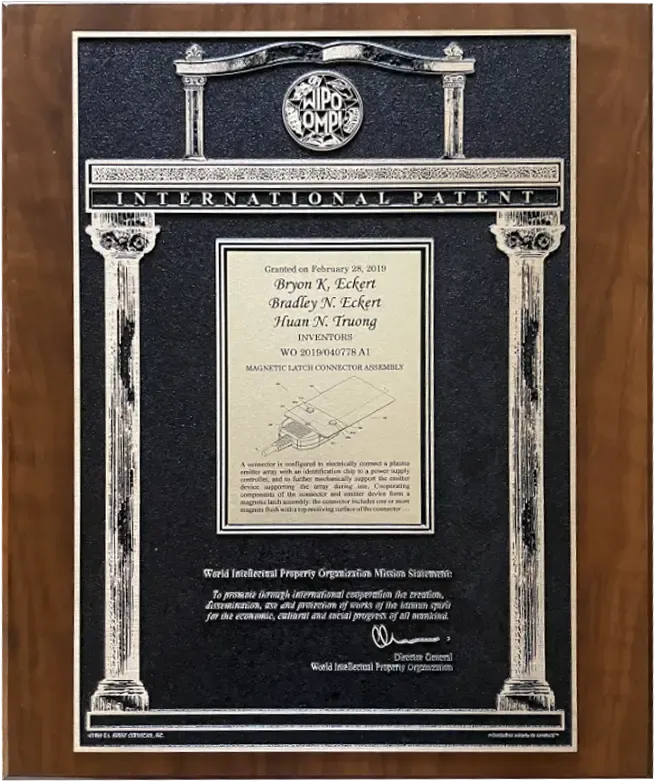
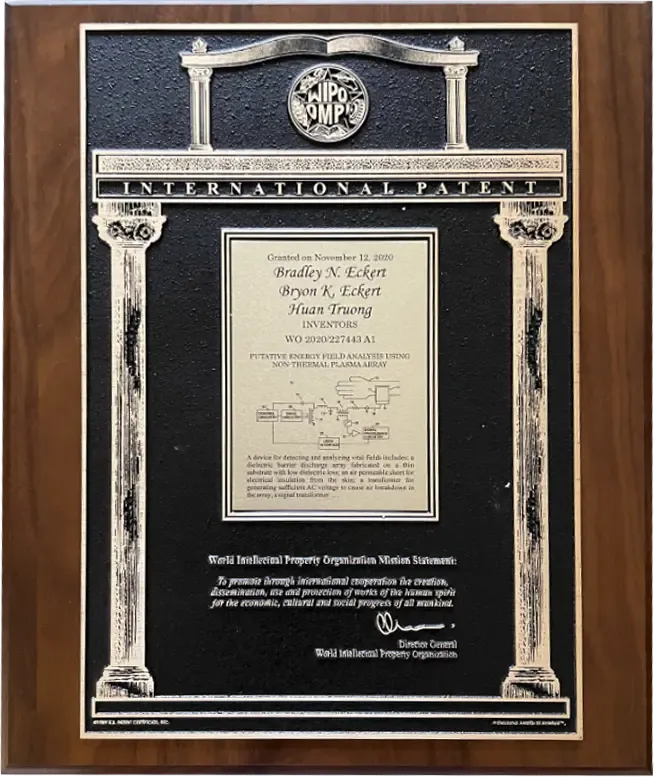
Patents

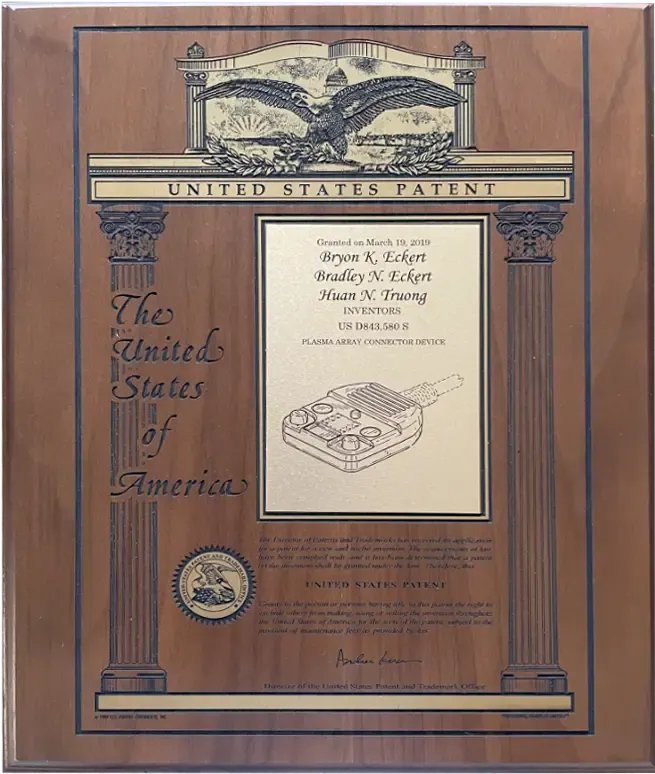
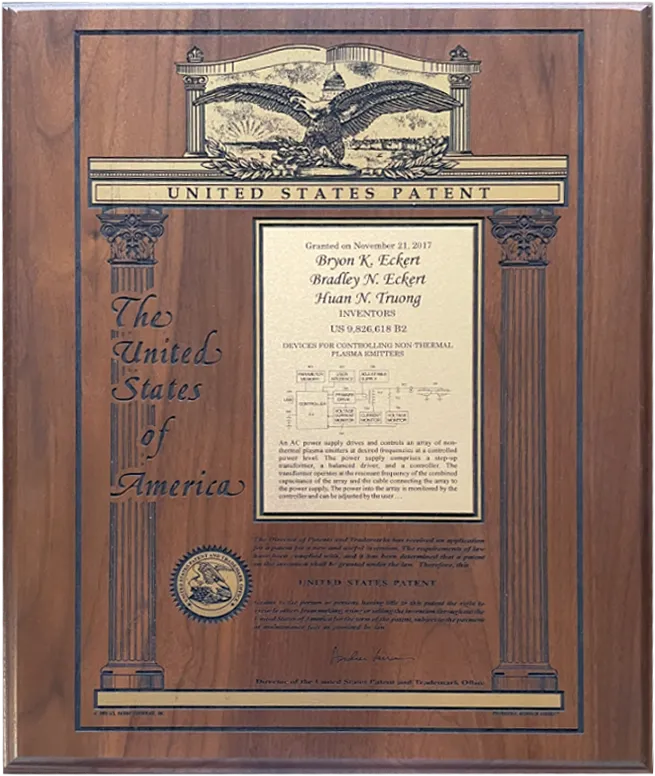
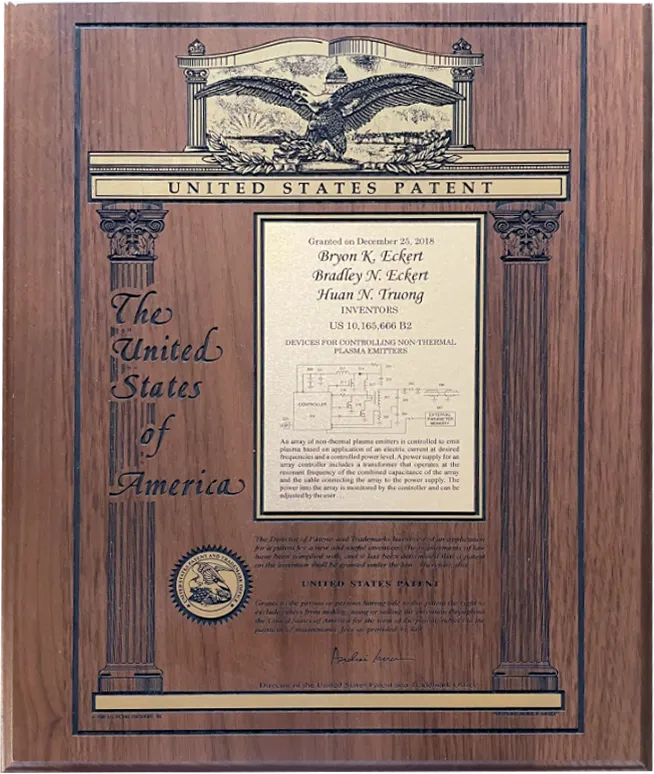
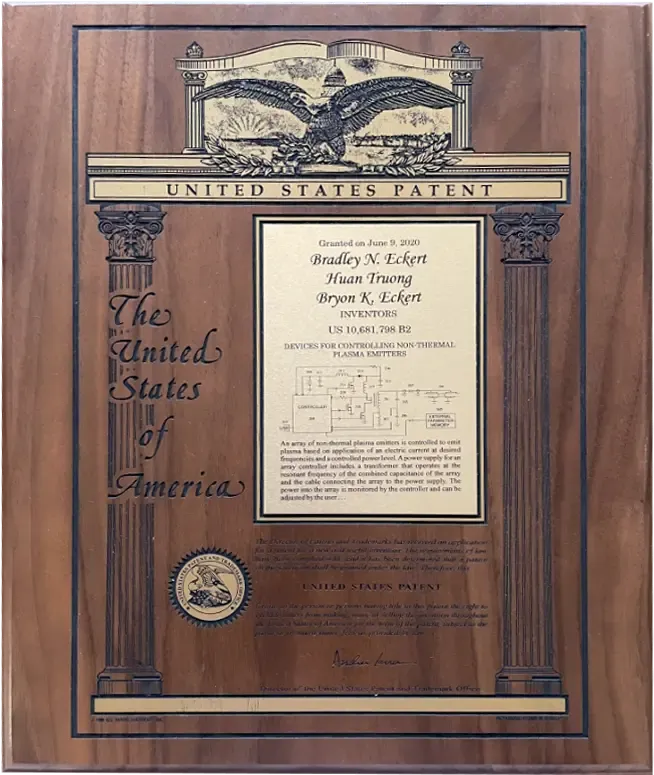
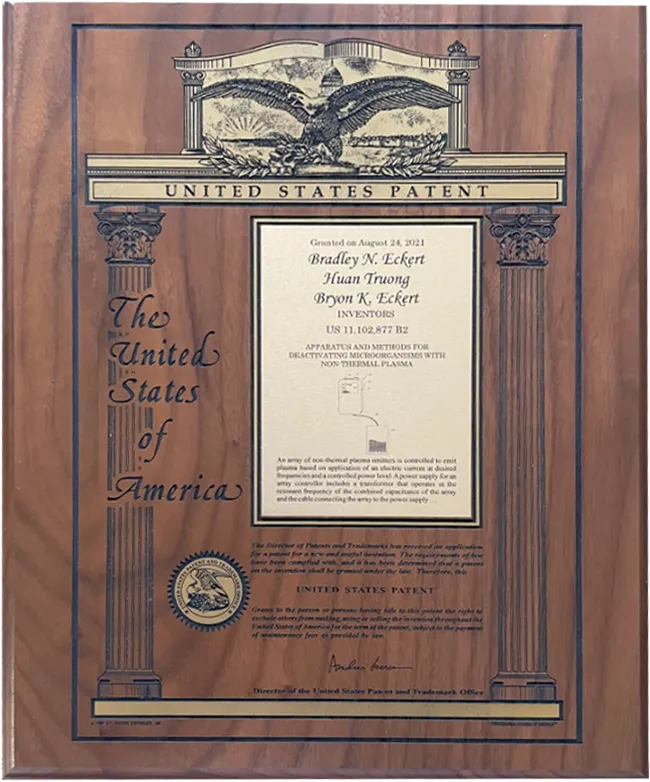
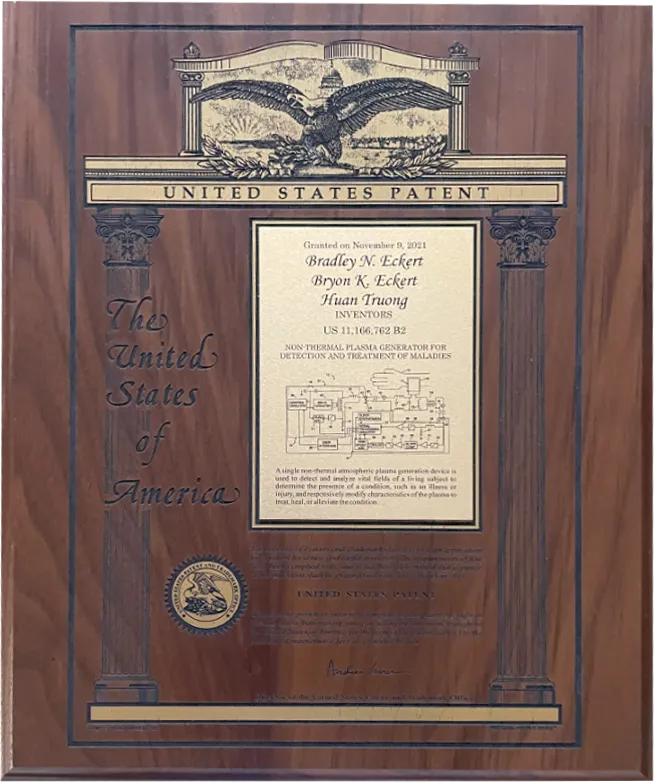
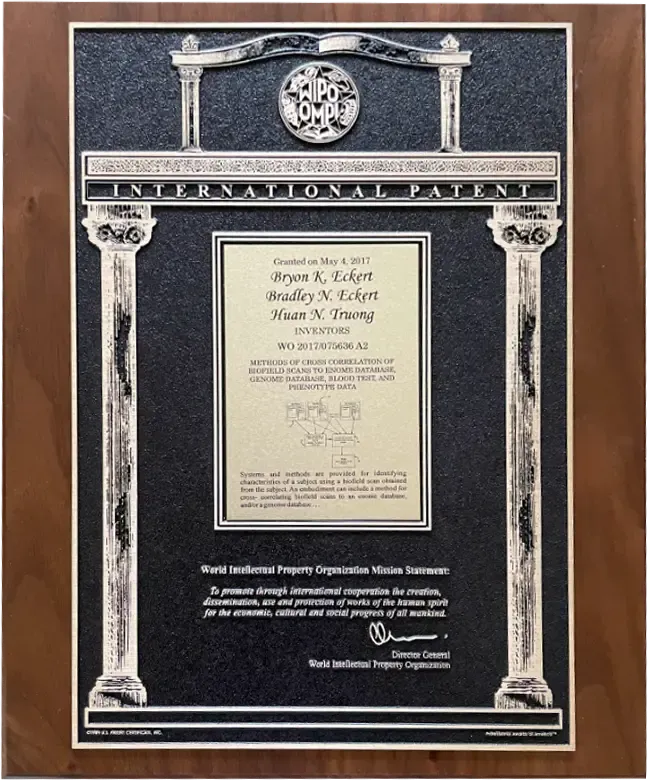
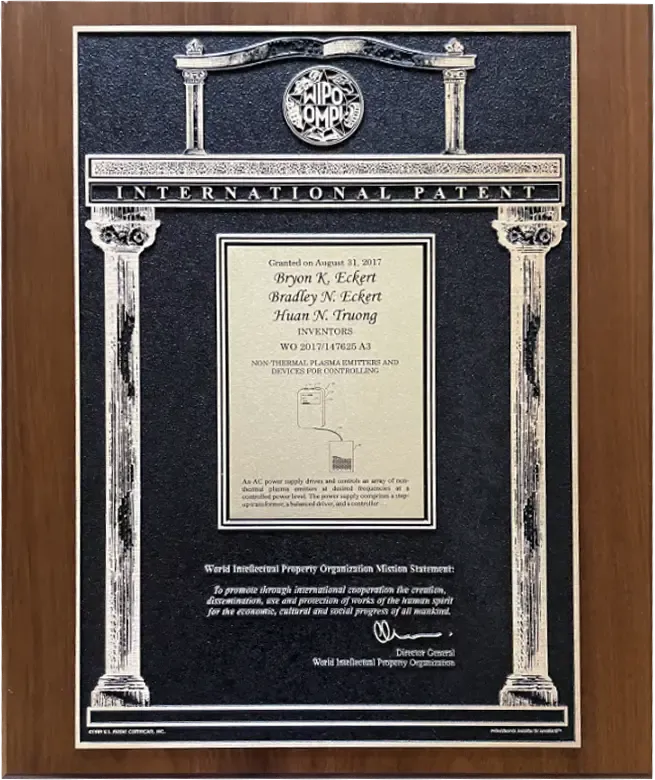
Developed over years of dedicated research, our granted U.S. patents represent the intellectual foundation of MIRARI® — protecting innovations that took decades of scientific expertise to achieve.

Patent